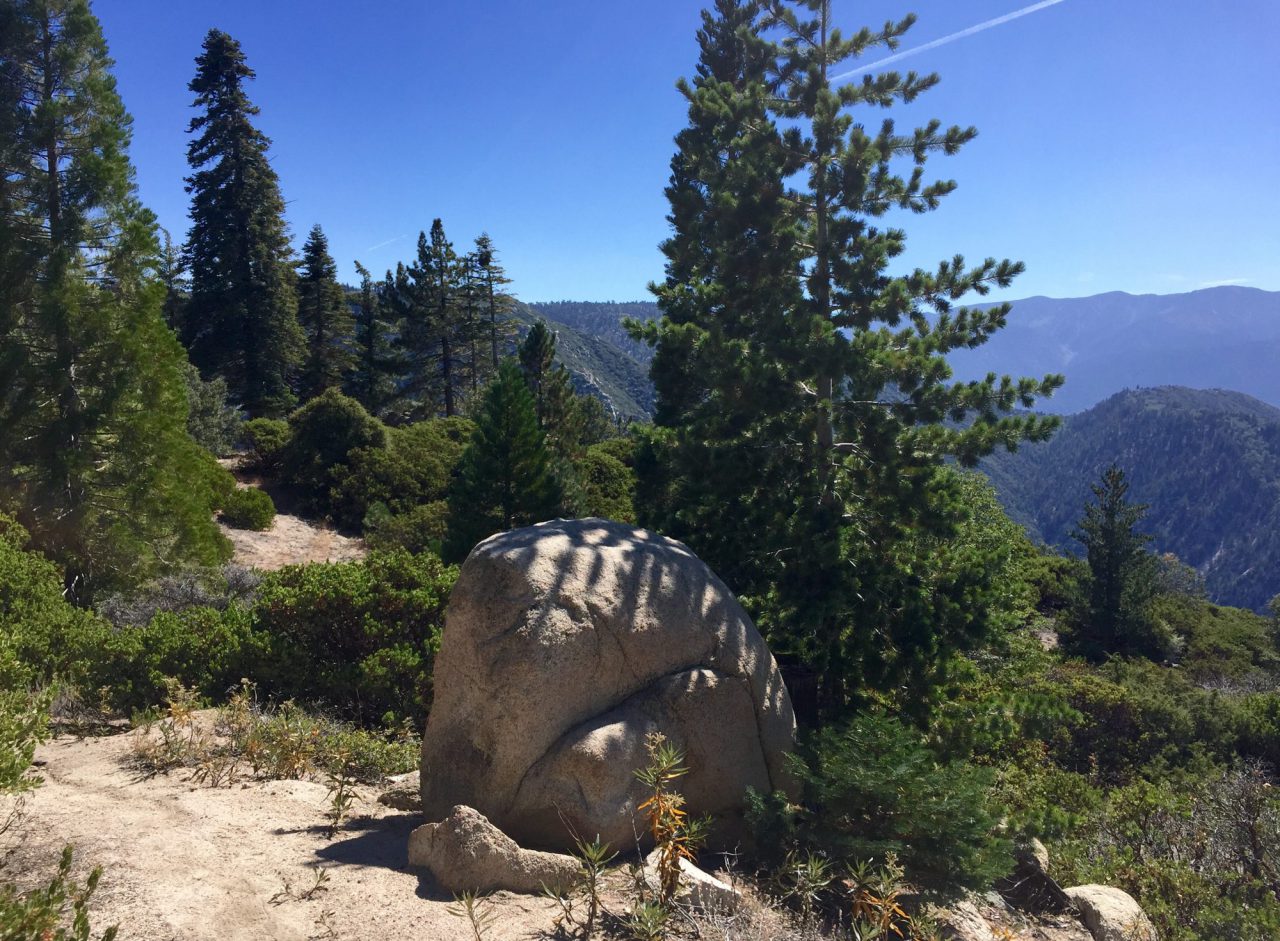
Lost Boys 50

Blown Away: The Lost Boys 50 Mile Ultramarathon

“There is something primitive about running from the desert to the mountains.” – Ben Hian, Lost Boys 50 course record holder.

 Ever since I moved to San Diego and started running ultras, I wanted to run the Lost Boys 50. I had heard so much about this race and its long, checkered history that I knew I had to experience it for myself. Last weekend, I got that chance.

C and I—and my parents—arrived in Julian the Friday before the race. My parents had flown out from Iowa to see me run, so I was extra excited about that. We had a great dinner at Romano’s before retiring to our cabin for the night (Note: If you’re running a race in the Anza Borrego/Cuyamaca/Mt. Laguna area and want a good Italian, pre-race meal, this is the place).

We were up early since I had to be at Lake Cuyamaca to catch the 3:30 a.m. shuttle down to the desert. Once on the bus and heading down I began to hope the weather would hold up for what was sure to be an epic race day.

As the runners piled out of the shuttle, we quickly realized we were going to be in for a windy, WINDY day. But it wasn’t raining, so we had that going for us.

After checking in and hiding from the wind back on the buses, it was time to go. Runners huddled around Race Director Brian Gonzales to get a quick history lesson on the race before heading out into the still-dark desert. Just like that, we were off.
Lost Boys 50

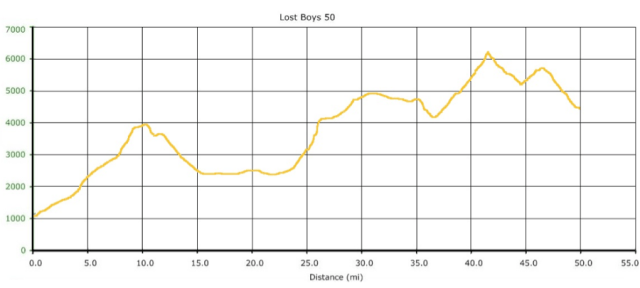
Pinyon Wash to Blair Valley (0 – 17.9)

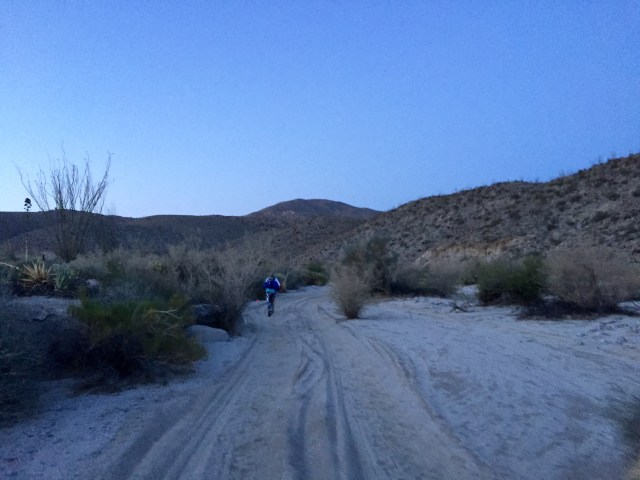
The race wasted no time accumulating the 9K of elevation gain runners were promised, with the first 10 miles of the course gaining almost 3K. I ran into my friend Carlos, and we took it easy together the first 5 miles, catching up on life and things since we hadn’t seen each other in awhile.
Lost Boys 50

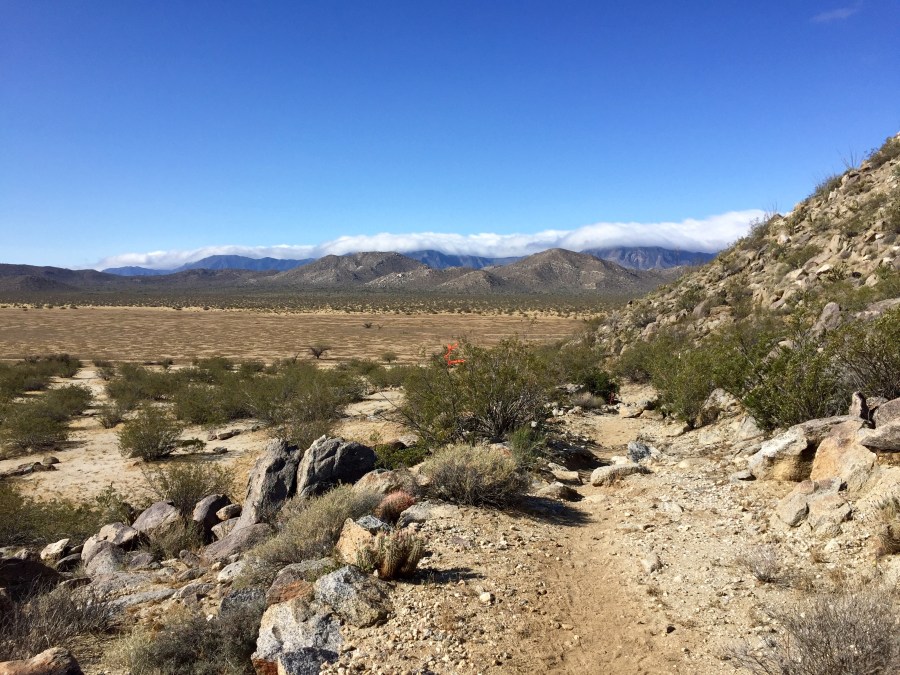
After hitting Boulders Aid (5.1), Carlos took off and I settled in for the day. I was really excited about the first 20 miles of the course, since I’d never ran in that area before. The miles didn’t disappoint. Runners ran through desert canyons, scurried over boulders, came across abandoned mines, and more. It was amazing.
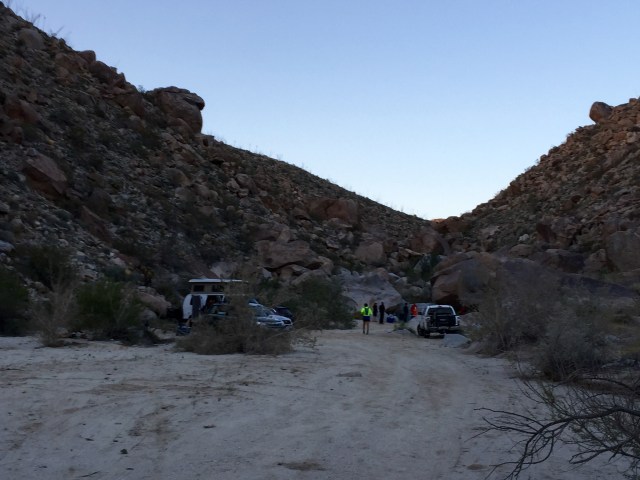
Lost Boys 50

I hit Pinyon Mountain Valley Aid (12.4) right on time. I was in/out of the aid station in less than 3 minutes and was off toward Blair Valley, the first place I’d be able to see C and my parents. The next few miles were a slow steady decline where I just zoned out, enjoyed the desert views and began thinking about how I wanted to tackle Oriflamme Canyon.
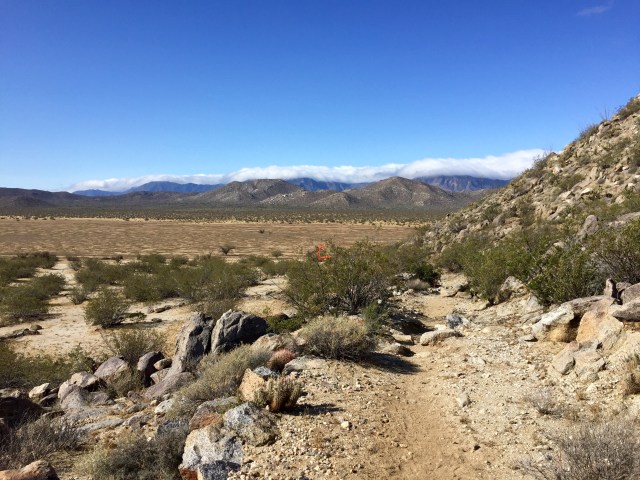
Lost Boys 50

Blair Valley to Pedro Fages (17.9 – 29.4)

I got into Blair Valley Aid at about 9:15 a.m., and was met immediately by C and my parents. I could tell my parents were getting into crewing and were having a great time already. I was so glad they were getting the opportunity to experience the sport I love first hand. After refueling, and chatting with them a bit I was off.

Before I knew it I was back at the mouth of Oriflamme Canyon. It had been a few years since I’d ran through the canyon, but I still knew it was going to be brutal. I settled into low gear and started the long grind to the top. On the way up I reflected on just how far I’ve come in my training in only a few short years.
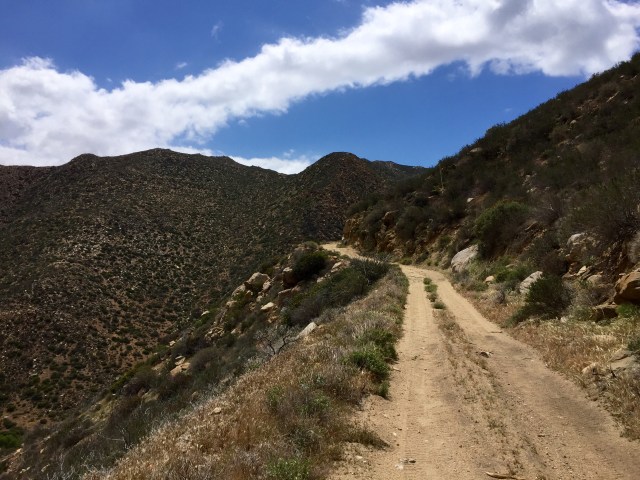
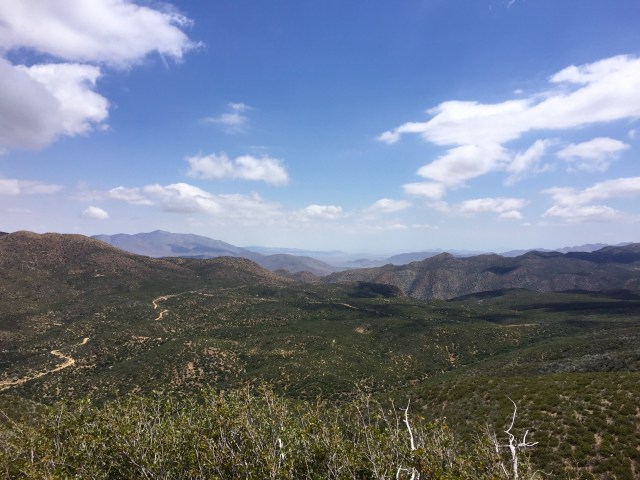
Lost Boys 50

Lost Boys 50

I got out of the canyon with no major issues and after a short run across the meadow, I arrived at Pedro Fages, right on schedule.

Pedro Fages to Cuyamaca Lake (29.4 – 50ish)

Though I was on my goal time, I was tired. The constant battling of the wind and slow steady climbing was really taking it out of me. I took some time to reload my pack, refuel on soup, and get rejuvenated by wiping myself down with a Pro Energy Towel. A few minutes later, I was out and heading toward West Mesa aid station feeling great.

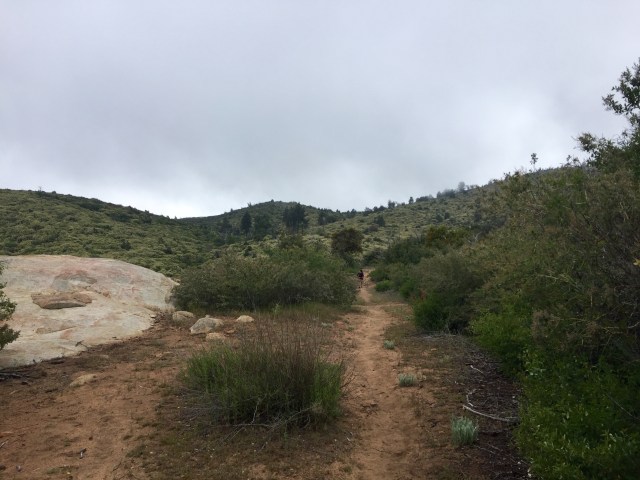
The forecast had called for rain and we’d been lucky enough to dodge it all day … but one look at the sky and I knew it was only a matter of time, so I picked it up a bit.
Lost Boys 50

By the time I got to West Mesa aid (36.1) I was actually ahead of my goal time. There was one climb left, the climb up to Cuyamaca Peak. I wasted no time getting started.

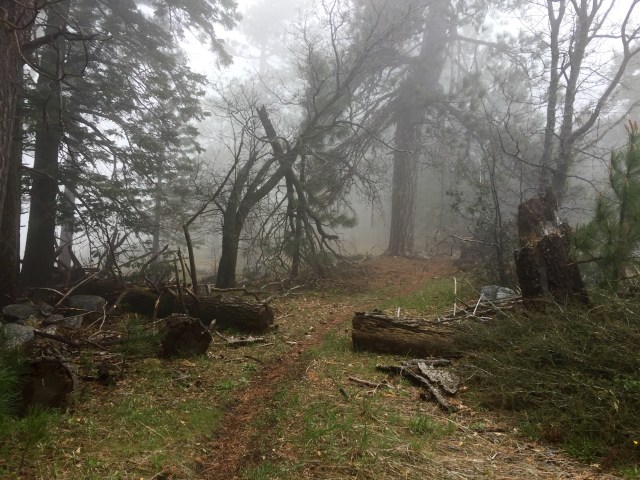
I was pretty wiped out by this point. The more I ascended, the more I was climbing up and into a foggy/cloudy oblivion. By this point runners were very spread out, so at times it almost felt like you were in a dream … or a horror movie.
Pic 7

Regardless, I was in the zone and cruising. Apparently cruising a bit too well, as I blew right by a very well-marked junction and ended up off course for awhile. It was a minor mental blow, but I couldn’t help but laugh when I retraced my steps back to the junction. It was so well marked!

I finally got to Cuyamaca Peak aid station (42.9) dropped my pack, grabbed a grilled cheese and cup of soup and started the short out-and-back climb to the peak, before looping back through CP aid, grabbing my pack, and beginning my descent.

As I started my descent I was mentally prepared to just run it down and into Cuyamaca Lake, but as I started coming down I replayed what one of the aid station volunteers at CP aid had said “you have mostly down left, than just a little up before you get to the finish.”

Immediately it hit me; we’re going up over Middle Peak!

Damn.

The same thing happened in last year’s San Diego 100, where I somehow completely spaced on the fact that both races hit Middle Peak before returning to the start. Needless to say, I got one more “nice little climb” in before I hopped on the Sugar Pine Trail and began my (real) final descent.

I crossed the finish line in 13:28, and couldn’t have been happier. All things considered, it was my strongest ultramarathon finish to date.

Lost Boys 50

Post race thoughts:

This race blew me away on so many levels. Running from the desert (at 1,000 feet), to the mountains (almost 7,000 feet), made for an unforgettable day of constantly changing scenery. The aid stations were so well stocked and staffed it was unbelievable. In fact, I found out later there were about 60 runners who started the race…and almost 60 volunteers helping them out.

That’s how great the ultra community is—especially the San Diego scene.

There was something else that played a significant role in my strongest finish to date, a new training device I have been using called GoMore. Stay tuned for a detailed post on my experience with the product—and how it has helped redefine the way I train.

What’s next?

The Lost Boys 50 was my final tune-up before returning to the San Diego 100 this June. My record with the SD100 is tied at 1-1. Depending on how the final weeks of training go will determine if I take on this year’s race solo or supported.

We’ll see…

Take care,

G


Race Recap: PCT 50 Mile Ultramarathon

I signed up for the PCT 50 as soon as it opened back in January … and it was a good thing I did. The race sold out in just a few days! After doing some research and spending some time out on the trail itself, it was quick to understand why: The Pacific Crest Trail is absolutely beautiful.

The race was ran primarily on single track trail in the Cleveland National Forest, and provided unbelievable views at altitudes ranging from 3,000-6,000 feet. The race also boasted 7,500 feet of elevation gain. Needless to say, today would not have been the day to forget my race pack!

With the race start being about an hour east of San Diego, we got up at 3 a.m., picked up my buddy Mark, and headed out. We got to the start (Boulder Oaks Campground) about 5:15 a.m., just in time to pick up our packets, say hello to some running friends, and get those last few pre-race jitters out. And then—before I knew it—I heard “3 … 2 … 1!”

We were off.

PCT 50
Runners preparing to go at the start

Boulder Oaks Campground – Fred Canyon Road (0.0 – 6.4)

The race wasted no time in sending us “up”. My strategy for the first part of the race was simple: fall towards the back and power-hike the first 14 miles, since they were mainly uphill. I ran the flats and downs but wanted to conserve as much energy as I could, which made this stretch pretty uneventful.

PCT 50
A.M. reflection on the PCT

Fred Canyon Road – Dale’s (6.4 – 13.7)

I arrived at Fred Canyon aid station with no trouble. I topped off my bottles (one with water, one mixed with lemon-lime First Endurance EFS & Carbo Pro), grabbed some pretzels and an orange, and took off to continue my climb. The trail got a lot more technical during this stretch, which meant I spent a lot of time looking at the ground instead of the scenery, but before I knew it was rolling into Dale’s aid station.

PCT 50
Climbing on the PCT

 Dale’s – Todd’s Cabin (13.7 – 17.5)

After a quick pit stop, I was back on the trail and on my way. I knew the next few miles were predominately flat, so my plan was to hammer them out as quickly as I could. This stretch was mainly shaded single track, so it was the ideal place to bank some quick miles while getting a break from the sun.

PCT 50
Solitude out on the PCT

Todd’s Cabin – Penny Pines 1 (17.5 – 22.7)

I cruised into Todd’s cabin, quickly remembering how much tougher it is to run at elevation than it is at sea level (where we live). Luckily, I had run the next 5 miles on a previous training run, so I knew when to conserve/when to push. The scenery was crazy. Apparently, several years prior, the area had experienced a massive fire that scorched the earth. It felt like you were running on a different planet at times. I started hiking up the last big climb to Penny Pines and could see C at the top waiting for me. What a great sight that was!

(Sidenote: C, and all the volunteers, crewers, pacers, medics and sweepers who donate their time and energy to helping make the runners’ day successful deserve the biggest, most sincere THANK YOU I could possibly offer. You guys/girls are simply amazing. Thank you.)

PCT 50
View from up top

Penny Pines 1 – Turnaround (22.7 – 25)

As soon as I got to Penny Pines, C went to work getting my bottles filled and making sure I had everything I’d need. My pacer, John, had also just shown up and was preparing to run the last 25 miles with me. I was talking with them when I overheard someone say “cutoff time.” I froze. It was 11:40, and all runners would need to be back through Penny Pines by 1:30. John looked at me … I looked at C … we all looked at each other, and I busted ass back out onto the trail.

PCT 50
Grabbing some fuel at Penny Pines

Note to self: pay more attention to cutoff times!

Turnaround – Penny Pines 2 (25 – 27.3)

I couldn’t believe I could have been so careless. Although hiking the uphill at the beginning was allowing for some pretty fresh legs here – my back was now against the wall and I was going to have to work hard to stay ahead of the cutoffs on my return. Luckily this section was pretty much rolling single track and I was able to cruise pretty quick back into Penny Pines.

Penny Pines 2 – Todd’s Cabin (27.3 – 32.5)

I came back through Penny Pines, picked up John, and we were off – ahead of the cutoff by about 40 minutes. We started on our way back and were making pretty good time, passing several runners along the way. Although it wasn’t hot, per se, this section of the PCT left you pretty exposed, and I could tell the sun was starting to hit me pretty hard. However, the spectacular views of the Anza Borrego Desert nearly 5,500 feet below made the trip pretty enjoyable. As great as the views were, I’d be lying if I said I wasn’t checking my watch continuously … the cutoff at Todd’s was 2:30.

PCT 50
On the way to Todd’s Cabin

 Todd’s Cabin – Dale’s (32.5 – 36.3)

John pushed me pretty hard on the return and got me in (and out!) of Todd’s Cabin by 2:15. The return stretch here was pretty rough for me, as I could feel two hot spots on my feet starting to flare up. This resulted in some sort of walk-run-shuffle-tiptoe-forward motion that somehow got me to Dale’s.

PCT 50
Heading to Dale’s

Dale’s – Fred Canyon Road (36.3 – 43.6)

There was no cut off here, but they informed us that there would be a final cutoff at Fred Canyon at 5:30 p.m. Needless to say, we grabbed what we could and took off. While I’m not a huge proponent of out-and-back courses, I will say that it was nice to know exactly what type of terrain I had to run over to get back to Fred Canyon in time.

Fred Canyon Road – Finish (43.6 – 50)

I made it to Fred Canyon by 4:55, and saw my friend Mark there getting ready to head back out. We all ran together for the first few miles, then we split up. My return to the finish was FAST! Probably some of the quickest miles of the day for me – all over some pretty technical and rocky trail. As we descended the final few switchbacks, I couldn’t help but smile. My strategy had worked!

PCT 50
PCT 50: Complete

I crossed the finish in 12:32:32—a 17-minute PR at the 50-mile distance—on the most difficult course I’ve run to date.

Overall, I’m incredibly happy with how the day went. It’s funny, as with any race, I learned so much that will be valuable for future races. Although I was feeling a bit stressed on the start of my return, I do not regret my decision to power hike the start. Yes, I lost a decent amount of time there, but it resulted in an incredibly strong finish, with enough in the tank to keep going if I needed to. In conclusion: Physically, mentally and nutritionally, things clicked.

Thoughts Looking Forward

As many of you may, or may not, know, I’m running the San Diego 100 Endurance Run on June 7. The PCT 50 was my last long run before that race. If you’ve followed along, I’m sure you’ve noticed my last few tune up races have had all kinds of issues, leaving me feeling a bit uneasy. Yesterday’s race, however, erased all of that and provided me with the confidence I needed to be able to toe the line on June 7.

Take care,

-G